
Systems and materials
Drain clearing methods compared
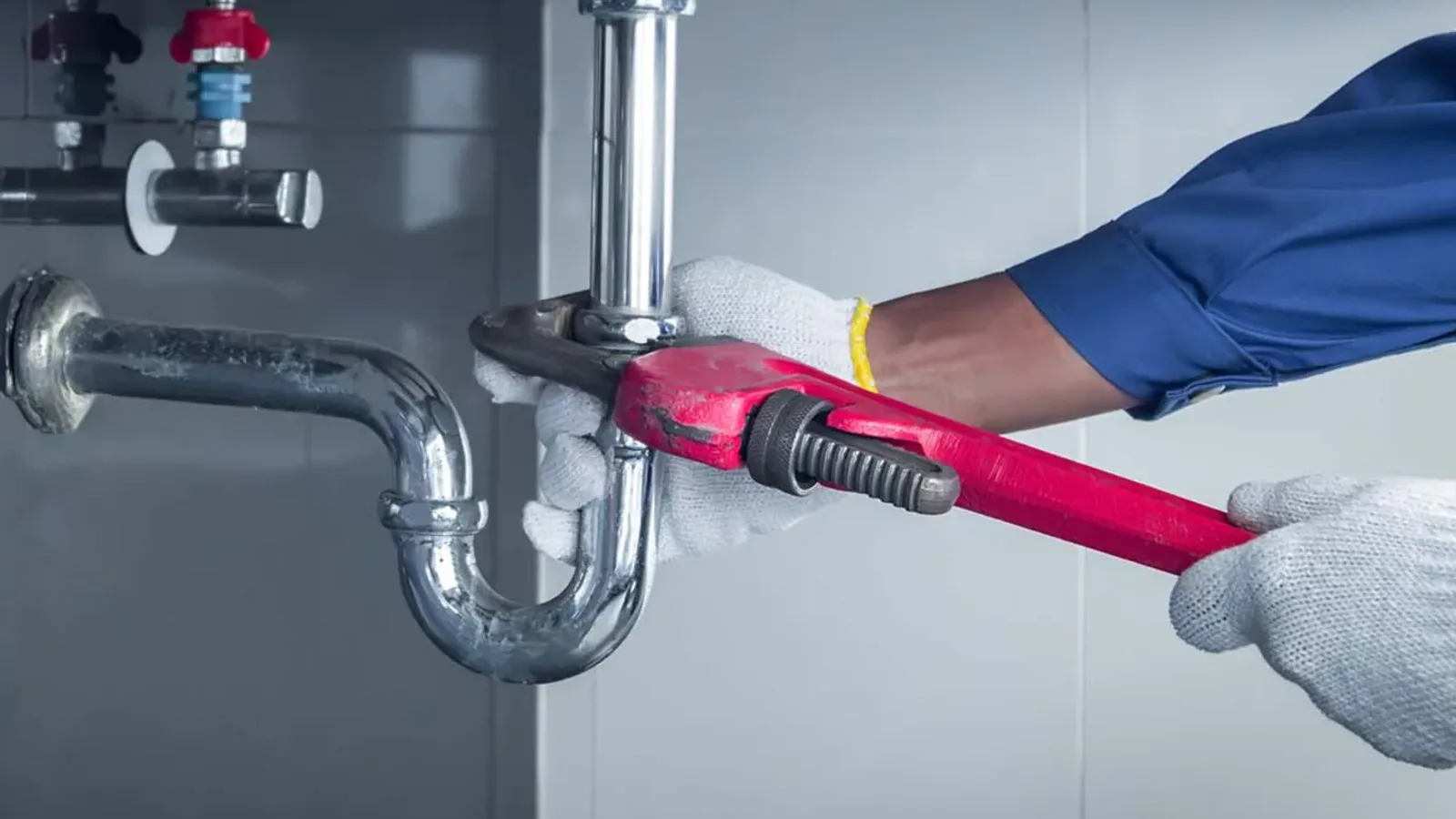
Method is decided by how far away the blockage is and what it is made of. A plunger works within a few feet of the fixture; roots in a lateral sixty feet out need a cutting head, and no amount of plunging will reach them.
The question that picks the method
Before choosing a tool, it is worth working out whether the blockage is local to one fixture or affects the whole house. The answer changes everything that follows, and it costs nothing to determine.
One fixture draining slowly while everything else is fine:
- The blockage is in that fixture’s trap or branch line, within a few feet
- Hair, soap, grease, or a dropped object is the usual cause
- A plunger or hand auger reaches it
Several fixtures backing up at once, or the lowest drain in the house overflowing:
- The blockage is in the main line, downstream of everything
- Roots, collapsed pipe, scale, or accumulated grease is the usual cause
- It needs a drum machine or a jetter, and a camera to see what is actually there
What each method does
| Method | Reach | Works on | Cannot do |
|---|---|---|---|
| Cup or flange plunger | A few feet | Soft clogs near the fixture, trap blockages | Anything past the branch line. Useless against roots or scale. |
| Hand auger (25 to 35 ft cable) | Trap and branch line | Hair and soft obstructions in sinks, tubs, showers | Main lines. The cable is too light to cut anything solid. |
| Closet auger | The toilet trap only | Objects and blockages inside the toilet itself | Anything beyond the toilet. Built short deliberately. |
| Drum or sectional machine | 50 to 100 ft plus | Main lines, roots, compacted debris, with cutting heads sized to the pipe | Restoring pipe diameter. It bores through rather than scouring clean. |
| Hydro-jetting (1,500 to 4,000 psi) | Full line length | Grease, scale, sludge, root fragments. Scours the pipe wall back to full bore. | Fixing structural damage. Can worsen already compromised pipe. |
| Chemical cleaner | Only where it can sink | Minor organic build-up in a still-draining line | Reaching a full blockage, since it sits in standing water above it. |
| Camera inspection | Full line length | Seeing the actual cause, grade, and pipe condition | Clearing anything. It is diagnosis, not treatment. |
Cabling and jetting solve different problems
These two get treated as interchangeable, and they are not. A cable machine bores a hole through the blockage, which restores flow immediately and is often exactly what an emergency calls for. What it leaves behind is a pipe with its walls still coated.
A jetter uses high-pressure water directed backwards against the pipe wall, which scours it back toward its original diameter and flushes the debris out rather than pushing it along. On a line that has narrowed with grease or scale, that is the difference between a fix that holds and one that recurs in a few months.
Where chemical cleaners actually stand
Supermarket drain cleaners are generally either caustic, based on sodium hydroxide, or acidic, based on sulfuric acid. Both work by chemically breaking down organic matter, and both generate significant heat doing it.
The practical problems with them:
- On a fully blocked drain the product cannot reach the blockage. It sits in standing water above it, diluting and reacting with everything except the problem.
- The heat generated can soften plastic DWV pipe and damage the rubber components in older joints and traps.
- Repeated use accelerates corrosion in cast iron and galvanized pipe, which are exactly the materials most local main lines are made of.
- It creates a genuine hazard for whoever works on the line next, since caustic water can splash back during cabling.
Enzyme and bacterial products are a different category entirely. They are slow, they will not clear an active blockage, and they are best understood as maintenance for a line that already drains rather than treatment for one that does not.
When clearing is the wrong goal
A drain that blocks repeatedly in the same place is reporting a condition, not an accident. Clearing it again treats the symptom and guarantees a return visit.
Causes that recur until the pipe itself is addressed:
- Root intrusion, which regrows through the same joint within months of being cut
- A belly or sag in the line, where waste settles because the grade is wrong
- A partial collapse or offset joint that catches material passing through
- Scale in cast iron that has reduced the effective diameter
All four look identical from the fixture and completely different on a camera. That is the argument for putting a camera down a line that has blocked more than twice: not to clear it, but to find out whether clearing is even the right thing to be doing.
Common questions
No. A plunger moves water within a few feet of the fixture, and a main line blockage sits well beyond that. If several fixtures are backing up at once, the problem is downstream of all of them and needs a machine that can reach it.
Not always. Jetting can worsen cast iron that has corroded through, clay with cracked joints, or any line with an existing separation. On older pipe a camera inspection comes first, so the condition of the line is known before that pressure is applied.
Repeat blockages in one location usually mean a physical condition in the pipe: root intrusion, a sag holding water, an offset joint, or heavy scale. Clearing restores flow temporarily but the condition remains, which is why a camera inspection is worth doing after the second occurrence.
More from the knowledge base
Still stuck?
Describe what you are seeing and we will tell you whether it needs looking at now or can wait.