
Diagnostics
Tracing a sewer smell to its source
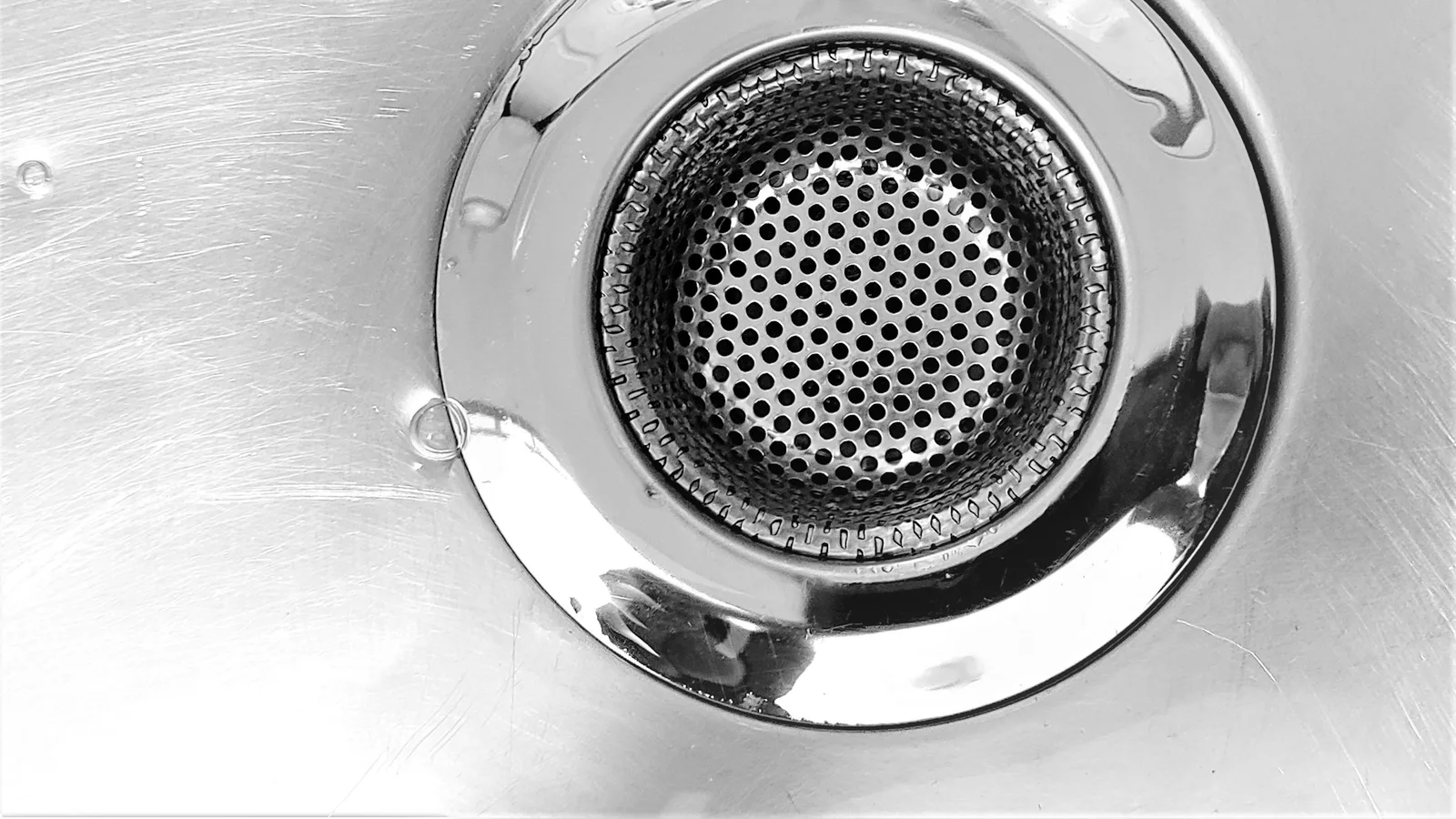
A working drain system is sealed from the building by water sitting in every trap. A sewer smell indoors means one of those seals has been lost, or the pipe has been breached somewhere after it.
What is supposed to be stopping the smell
Every fixture in a building connects to the same drain system, and that system is open to the sewer at one end. The only thing keeping sewer gas out of the room is a small amount of water held in a U-shaped bend below each fixture.
- P-trap
- The bend under a sink, shower, or floor drain that retains a plug of water after everything has drained. That water is the seal. A toilet has the same arrangement built into its base, which is why there is always standing water in the bowl.
- Vent stack
- The pipe running up through the roof. It lets air into the drain system behind draining water, which stops the flow from siphoning the water back out of the traps. Venting is the part people forget exists, and it causes some of the least obvious symptoms.
Understanding those two things narrows the search enormously. Sewer gas indoors means either a trap has lost its water, a trap is being emptied by a venting fault, or the sealed pipework has been breached at some point.
Step one: map when and where
Before opening anything, spend a day noting the pattern. Where the smell is strongest and when it appears will usually identify the cause on its own, and it costs nothing.
| Pattern | Points toward |
|---|---|
| One room only, worst near a specific fixture | That fixture’s trap, or its connection |
| A room that is rarely used | A dried-out trap, the most common cause by a wide margin |
| Strongest near a toilet, and the toilet rocks slightly | A failed wax ring at the base |
| Appears when another fixture drains, with gurgling | A venting problem siphoning traps |
| Worse after heavy rain | A breach in the buried line, with saturated ground pushing gas back |
| Throughout the house, no clear source | A vent stack blockage, or a breach under the floor |
| In the crawl space or garage rather than living areas | A cracked or disconnected drain line |
Step two: refill every trap
Trap water evaporates. In a fixture used daily that never matters, because it is replenished constantly. In one that goes unused for weeks the seal can disappear entirely, leaving an open pipe to the sewer.
The fixtures that dry out, in rough order of how often they are the answer:
- Floor drains, in a garage, laundry, or basement. These are the most forgotten fixture in any building.
- Guest and secondary bathrooms, particularly showers that go unused between visitors
- Laundry sinks and standpipes where a machine has been removed
- Bar sinks, outdoor sinks, and anything in a rarely used part of the house
- Air conditioning condensate drains, where fitted
Run water into every drain in the building
A liter or two down each one is enough to restore the seal. Include every floor drain, and flush every toilet including ones nobody uses.
Add a little cooking oil to drains you never use
It floats on the trap water and slows evaporation considerably, which stops a seasonal problem returning every summer.
Wait a day, then reassess
If the smell disappears and stays gone, that was it. If it returns within days in the same place, the trap is not simply evaporating, it is being emptied, which is a venting problem.
Step three: consider the venting
A trap that keeps emptying is being siphoned. When water drains without air able to enter behind it, it pulls a partial vacuum that drags the trap seal along with it, leaving the fixture unsealed until it is next used.
Signs pointing at venting rather than the trap itself:
- Gurgling from one fixture when a different one drains
- A toilet whose water level drops or rises on its own
- Drains that run slowly despite being clear of blockages
- The smell reappearing within days of refilling the traps
- Bubbles in the toilet bowl when the washing machine empties
Vent stacks block from the top. Birds nest in them, leaves and debris collect, and in older properties they corrode and partially collapse. It is a roof job, and worth mentioning that it is one of the few plumbing faults where the cause is nowhere near the symptom.
Step four: look for a breach
If the traps are full and holding and the venting behaves, the remaining possibility is that the sealed pipework has been broken somewhere between the fixtures and the sewer.
Where these turn up:
- The wax ring under a toilet, especially if the toilet moves at all when leaned on
- A cleanout cap that is loose, cracked, or missing entirely
- Cracked cast iron in a crawl space, most often where the stack turns
- A joint that has separated in a line under the floor
- Damage from ground movement, which the wet season here makes more likely
Most Humboldt homes are on raised foundations, which is genuinely helpful here: the drain lines are accessible rather than buried in concrete. A flashlight and a careful look along the runs will often find staining, damp, or an obvious break. The damp-crawl-space problem is that ordinary background moisture makes a slow leak much harder to spot than it would be on a dry site.
Things that smell like sewer gas but are not
Worth ruling these out before pursuing a plumbing fault, since they are common and cheap to resolve:
- Biofilm inside a sink overflow, which smells foul but is confined to the fixture and cleans out
- A dishwasher or washing machine filter that has not been cleaned
- A dead animal in a wall, crawl space, or chimney, which is often mistaken for sewer gas
- Rotting organic matter in a garbage disposal
- In Humboldt specifically, ordinary damp and mold in a crawl space, which is close enough in character to mask or mimic a genuine sewer smell
That last one is the reason it pays to be systematic here rather than trusting first impressions. A background of musty, earthy smell is normal in a coastal raised-foundation house, and it hides a real sewer problem well past the point where it would have been noticed somewhere drier.
Common questions
Intermittent smells usually mean a trap that empties and refills, which points at a venting problem rather than the fixture. If the smell appears when another fixture drains, or is accompanied by gurgling, the vent is the place to look.
It should not be ignored. Sewer gas contains hydrogen sulfide, which is toxic at concentration and deadens the sense of smell as levels rise, and methane, which is flammable. Occasional faint odor from a dry trap is a minor matter; a persistent strong smell warrants ventilation and prompt investigation.
Pour water down it to restore the trap seal, then add a small amount of cooking oil on top. The oil floats and slows evaporation, which keeps the seal intact in a drain that is never otherwise used. If the smell returns within days, the trap is being siphoned rather than evaporating.
More from the knowledge base
Still stuck?
Describe what you are seeing and we will tell you whether it needs looking at now or can wait.