
Maintenance
What can and cannot go down a drain
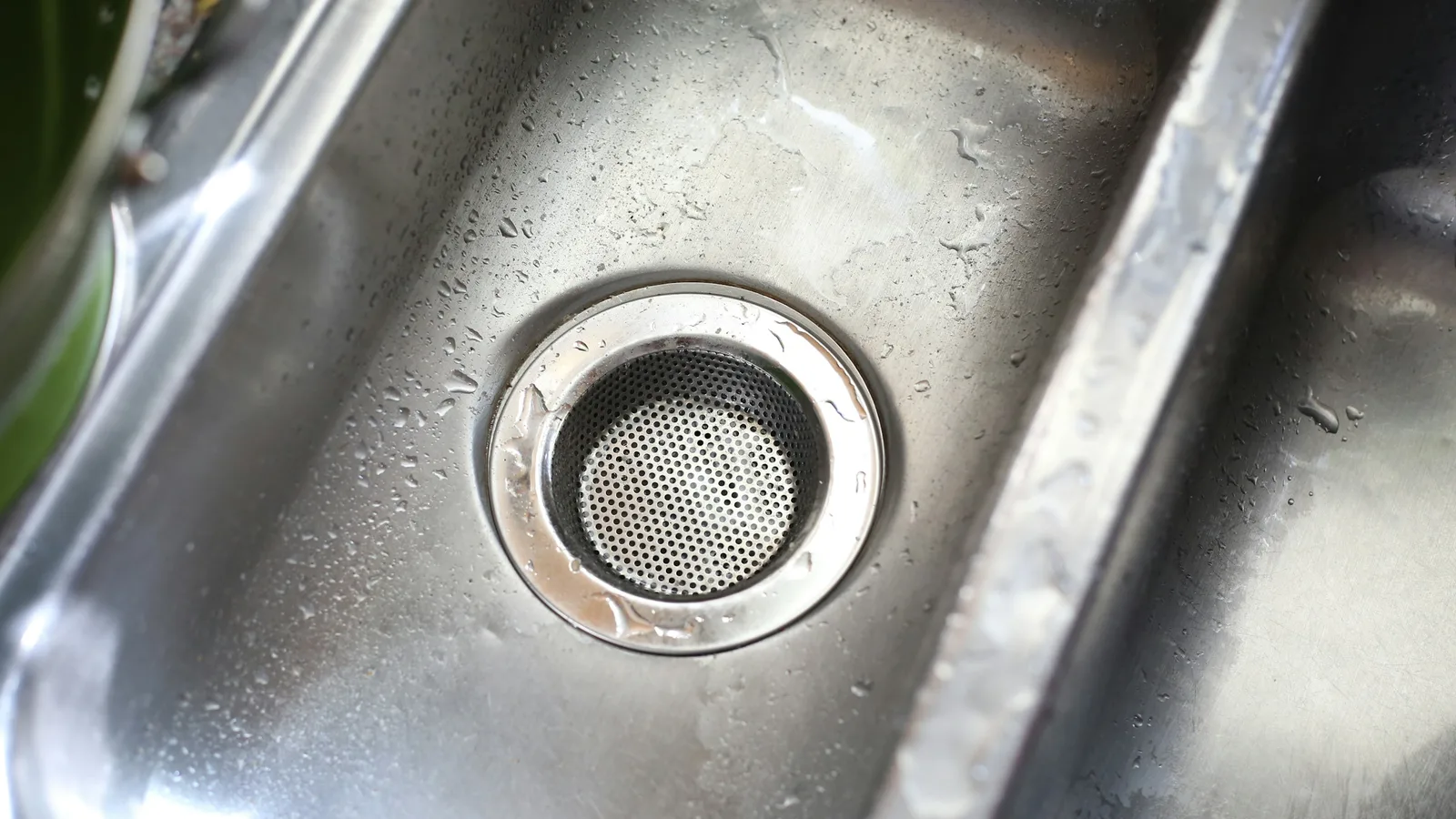
Almost every kitchen line blockage is grease that went down as a warm liquid and set as a solid somewhere out of reach. What leaves the sink as a liquid does not necessarily stay one.
Why local pipes are less forgiving
Advice about drain habits is generic almost everywhere, and slightly less generic here. Humboldt housing skews old, which means a large share of drain lines are cast iron with decades of internal roughness, running long distances under raised foundations to laterals that may be clay. A rough, narrowed, imperfectly graded pipe catches what a new smooth one passes.
The same habit therefore produces different outcomes in different houses. A new ABS line shrugs off borderline habits for years. A seventy-year-old line with scale and a slight sag turns the same habits into an eighteen-month blockage cycle. Since most people do not know which pipe they have, the habits below are calibrated to the pipe you might have.
Grease, the main event
Fats, oils, and grease go down as warm liquids, then cool as they travel. Somewhere along the line, usually where the pipe runs coldest under the house, they return to solid form and cling to the pipe wall. Each pour adds a layer. The layers catch food particles, coffee grounds, and everything else passing through, and the pipe narrows the way an artery does.
All of these behave the same way, including the ones that pour like water:
- Bacon fat, meat drippings, and roasting pan juices
- Cooking oils, including olive and vegetable oil, which coat and bind even without solidifying
- Butter, coconut oil, shortening, and lard
- Dairy-heavy liquids like cream sauces and melted cheese
- Salad dressings, mayonnaise, and gravy
Hot water and dish soap do not solve this, and mostly relocate it. The grease stays liquid a few feet further, sets a few feet further along, and the blockage forms out of reach of a plunger instead of near the trap. The reliable disposal method is unglamorous: pour cooled fat into a can or jar, let it set, and bin it. Wiping greasy pans with a paper towel before washing removes most of what would otherwise go down.
The rest of the kitchen list
| Item | What happens | Verdict |
|---|---|---|
| Coffee grounds | Never dissolve. Settle in traps and low spots and pack into a dense sludge, especially with grease present. | Compost or bin |
| Rice, pasta, oats | Keep absorbing water and swelling after they go down, then pack together. | Bin |
| Eggshells | Grind into a gritty sediment that reinforces grease and soap buildup. | Compost or bin |
| Flour and batter | Mix with water into paste, which is the same job glue does. | Bin, then rinse the bowl |
| Fibrous vegetables | Celery, onion skins, corn husks and potato peels tangle and resist a disposal. | Compost |
| Produce stickers | Do not break down. Stick to pipe walls and screens at the treatment plant. | Bin |
The bathroom, and the flushable fiction
The toilet is a path to the same narrow lateral as everything else, and the list of things it can safely pass is short: waste and toilet paper. Toilet paper is engineered to fall apart in seconds. Nearly everything else marketed as flushable is not engineered that way, whatever the packaging says.
The repeat offenders in real blockages:
- Wet wipes of every kind, including ones labeled flushable, which stay intact for the entire journey and weave together into rope inside the line
- Paper towels and facial tissues, which are designed to hold together when wet
- Feminine hygiene products, which are designed to absorb and expand
- Dental floss, which ties everything else together, literally
- Cotton balls, swabs, hair, cat litter, and medication
Wipes deserve the emphasis because they changed the statistics. Lines that ran clear for decades now block on wipes alone, and a wipes blockage in a root-invaded clay lateral, which is a common local combination, is how a minor habit meets an expensive pipe. In the shower, a simple mesh strainer over the drain does more for the line than any product poured down it afterward.
Things that harm the pipe rather than block it
A second category goes down without blocking anything and does harm anyway:
- Chemical drain cleaners used repeatedly, which corrode cast iron and galvanized pipe and complicate the next professional visit
- Paint, solvents, and motor oil, which belong at the county hazardous waste facility rather than any drain
- Bleach in quantity on a septic system, where it kills the bacteria the tank depends on
- Coffee-machine descaler and similar acids in an old metal trap, briefly but repeatedly
What maintenance actually looks like
None of this involves buying anything beyond a strainer and a jar.
Scrape plates and pans into the bin or compost first
This one habit removes most of what builds blockages: the grease film, the starch, the fragments.
Collect fat in a container, bin it when set
A jar by the stove outlasts any amount of willpower at the sink.
Fit strainers in the kitchen sink and shower
Hair and food solids are the two great aggregators, and both are stopped at the surface for a few dollars.
Flush the kitchen line with genuinely hot water occasionally
A kettle of hot water with a squirt of dish soap, run monthly, keeps the near section of a kitchen line from accumulating film. It maintains a clear line rather than clearing a blocked one.
Use enzyme treatment for maintenance if you like, with expectations set
Bacterial and enzyme products slowly digest organic film and are harmless to pipe and septic systems. They are maintenance for a draining line, and no help against an established blockage.
And if a drain slows anyway despite good habits, that pattern matters diagnostically. Good habits plus a recurring blockage suggests the problem is the pipe rather than what enters it: roots, a sag, or scale, which is exactly what a camera inspection settles.
Common questions
No. Hot water keeps grease liquid only for the first stretch of pipe, and it sets further along instead, out of reach of a plunger. Pour fat into a container, let it set, and put it in the bin.
They will leave the toilet, which is all the label promises. They do not break down the way toilet paper does, and they are one of the most common causes of main line blockages, particularly in the older and root-invaded laterals common locally.
For maintenance, occasional hot water with dish soap in the kitchen, and enzyme or bacterial treatments if you want something more. Habits do more than products: scraping plates, collecting fat, and fitting strainers prevent the buildup those products treat.
No, this one is folklore. Grounds do not dissolve or scour; they settle in traps and low spots and bind with grease into dense sludge. They belong in compost or the bin.
More from the knowledge base
Still stuck?
Describe what you are seeing and we will tell you whether it needs looking at now or can wait.